


Intakes tucked behind rock screens divert a fraction of flow, protecting trout and respecting traditional water rights. Gravity does the heavy lifting, pushing water through a small turbine house villagers can service with hand tools and patient care. When spring melt surges, controls shed excess safely; when drought arrives, usage schedules adapt. No vast dams, no drowned meadows—just careful stewardship, weekly walks along the channel, and a familiar purr that fades into birdsong.
Panels nestle between rafters, held by snow‑friendly mounts and dark frames that suit age‑silvered shingles. Electricians from nearby towns map shade lines cast by chimneys and firs, then size arrays to match midday chores rather than impossible peaks. In winter, sunlight skims low but still charges batteries for lights and radios, while summer abundance runs communal freezers. Maintenance means a brush after storms, a glance at analog meters, and pride in sun‑kissed independence.

Households coordinate wash cycles and baking with midday solar, leaving mornings for woodstove embers and evenings for quiet lamps. Workbenches hum when the turbine sings strongest, and heavy saws wait when clouds gather. A chalkboard in the square suggests optimal hours, while elders remind everyone how seasons guide chores. By moving tasks, not wires, peaks flatten, machines last longer, and the grid rests like a breathing creature rather than a strained engine.
The cooperative maintains a bright room with vises, spare fuses, gasket kits, and a kettle always on. Broken toasters become lessons, not landfill; bicycle hubs share grease with water valves. Monthly fix‑it nights pair retired mechanics with teens who arrive curious and leave confident. Tools are signed out on paper cards, and a jar collects coins no one counts too closely. Every mended hinge or pump reinforces the village’s quiet competence and pride.
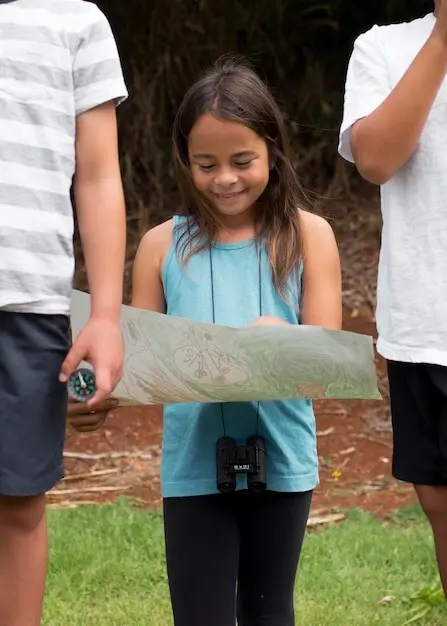
When heavy snow snaps branches, candles appear beside well‑placed mirrors, battery radios buzz with local voices, and woodstoves carry soup duty without complaint. Gravity tanks keep water flowing, hand grinders mill grain, and neighbors check on one another before checking messages. Paper maps, whistles, and window lanterns form a language of care. Outages become rehearsals for resilience, proving that preparedness and kindness travel farther than any signal could during rattling winds.
Minutes are posted beside bread prices and bus timetables, with diagrams that show where each cable lies and why. Anyone can trace a franc from bill to gasket, from grant to solar clamp. When confusion arises, a Saturday walk to the penstock resolves more than emails ever could. Translating technical choices into stories—about storms, slopes, and saplings—turns complexity into shared understanding, shrinking suspicion and growing a culture of open, respectful questioning.